There’s something uniquely satisfying about sliding into a perfectly detailed car—the gleaming dashboard, the supple leather seats, the mirror-like paint finish that catches every ray of sunlight. Car detailing isn’t merely cleaning; it’s an art form that transforms ordinary vehicles into showroom-worthy masterpieces.
Unlike standard car washes that remove surface dirt, proper detailing dives into every crevice, addresses imperfections, and applies protective treatments that enhance your vehicle’s appearance while extending its lifespan. For the discerning auto enthusiast, detailing represents both preservation and appreciation—a ritual that maintains not just cleanliness but value.
This guide will walk you through professional-grade techniques, product selections, and insider methods that separate casual car care from true automotive artistry.
Part 1: Essential Car Detailing Supplies
Building your detailing arsenal requires thoughtful selection rather than accumulating random products. Quality trumps quantity when it comes to achieving professional results.
Must-Have Cleaning Products
Exterior cleaning solutions form your first line of offense against environmental contaminants. A pH-neutral car wash soap provides the foundation—brands like Chemical Guys or Adam’s offer excellent formulations that clean without stripping protective coatings. Clay bars, though often overlooked, are revolutionary for removing embedded contaminants that washing alone can’t touch. For stubborn water spots, dedicated removers containing mild acids safely dissolve mineral deposits without damaging clear coats.
Interior cleaning products should be surface-specific for optimal results. Leather requires pH-balanced cleaners followed by dedicated conditioners that maintain natural oils without leaving greasy residues. Fabric upholstery responds best to cleaners with moderate foaming action and extraction capabilities. The dashboard and trim benefit from UV-protective cleaners that clean without creating glossy, dust-attracting surfaces.
Glass and specialty surface cleaners demand ammonia-free formulations that won’t damage window tinting or surrounding materials. The perfect glass cleaner evaporates quickly without streaking, while dedicated metal polishes contain fine abrasives calibrated for specific finishes—from chrome to brushed aluminum.
Protective products represent your investment in longevity. Traditional carnauba waxes offer warm, deep glows but require frequent reapplication. Synthetic sealants provide months of protection with enhanced water beading. Ceramic coatings, while more expensive and complex to apply, deliver semi-permanent protection measured in years rather than weeks.
Necessary Equipment and Tools
Washing tools should minimize the risk of swirls and scratches. Plush microfiber wash mitts trap dirt away from the paint surface, while grit guards prevent those particles from being reintroduced during washing. Waffle-weave drying towels absorb moisture without dragging contaminants across freshly cleaned surfaces.
Detailing tools allow precision work in tight spaces. Detail brushes with natural or synthetic bristles reach air vents and seams that microfiber can’t access. Foam applicator pads distribute product evenly, while various microfiber towels with different pile heights serve specific functions—from glass cleaning to polish removal.
Power tools accelerate professional-grade results. Dual-action polishers with variable speed settings make paint correction accessible to careful beginners. Pressure washers with adjustable output safely blast away loose debris before contact washing. For interiors, carpet extractors pull embedded dirt from fibers rather than pushing it deeper.
Specialty items address niche challenges. Compressed air blasts dust from inaccessible electronic components without moisture damage. Steam cleaners sanitize and rejuvenate fabrics without excessive chemical use. Plastic trim restorers penetrate UV-damaged surfaces to restore color and pliability.
Part 2: Exterior Detailing Process
Pre-Wash Preparation
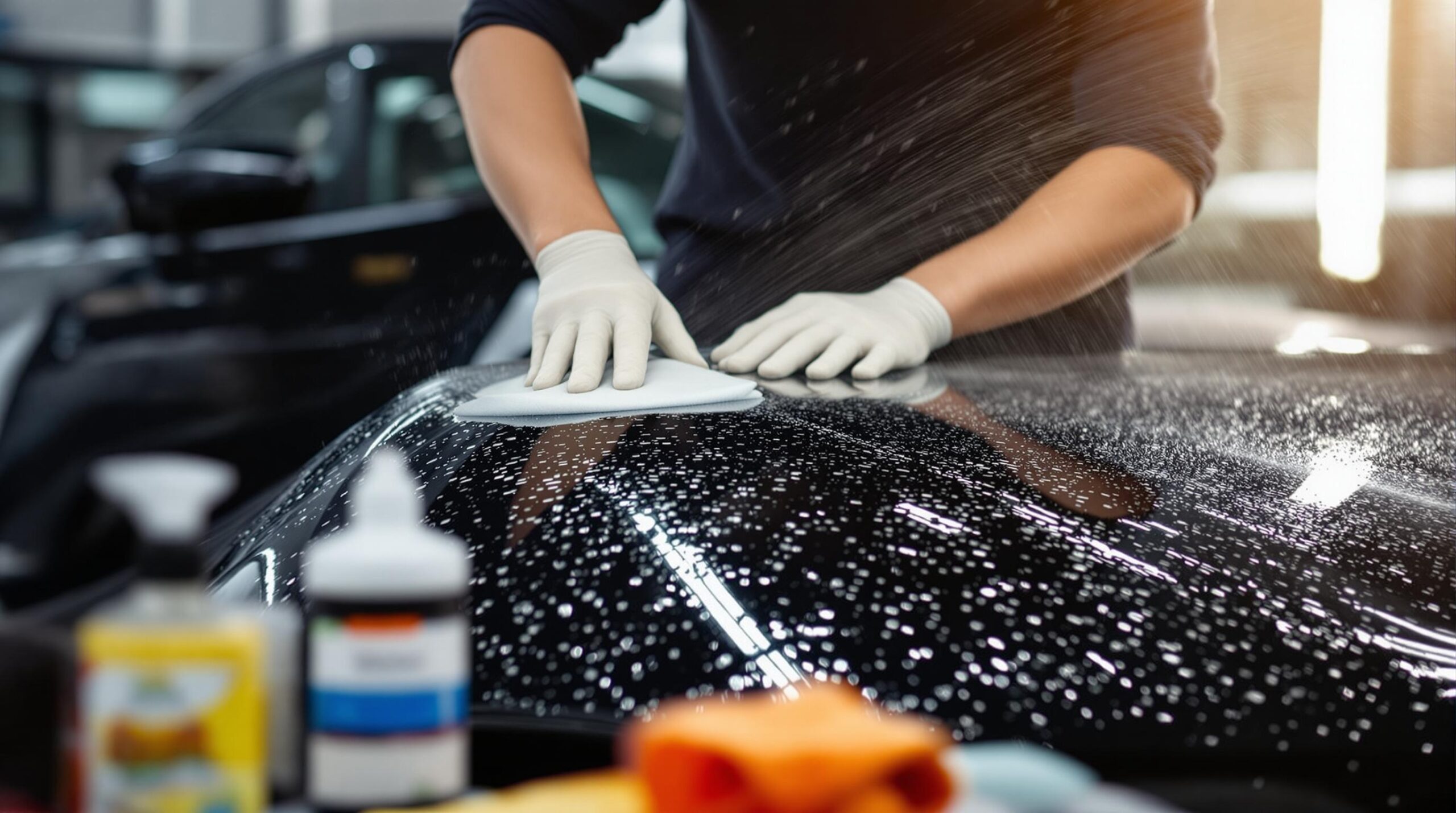
The difference between amateur and professional detailing often lies in thorough preparation. Begin with a comprehensive rinse using moderate pressure to dislodge loose contaminants. This prevents grinding particles into the paint during washing.
Pre-wash treatments, including traffic film removers and iron fallout sprays, break down stubborn pollutants through chemical action before physical contact. The distinct purple bleeding reaction of iron removers signals the dissolution of embedded metal particles that cause long-term paint damage.
Wheels and tires demand specialized cleaning with appropriate brushes and pH-balanced cleaners matched to your wheel type. Aggressive cleaners may brightens alloys brilliantly but can permanently damage polished or custom-finished wheels.
Engine bay cleaning requires strategic protection of sensitive components and careful product selection. Light degreasing followed by detail work yields impressive results without risking electrical damage.
Proper Washing Techniques
The two-bucket method isn’t merely traditionalist dogma—it’s science-based protection against self-inflicted damage. One bucket contains your soap solution; the other holds clean rinse water with a grit guard. After each panel, rinse your mitt in the clean water bucket, releasing collected dirt before reintroducing it to your soap solution.
Directional washing maintains consistency and thoroughness. Working from top to bottom allows gravity to assist, preventing dirty runoff from contaminating already-cleaned surfaces. Always wash in straight lines—never circular motions—to make potential swirls less visible.
Water temperature matters more than many realize. Extremely hot water accelerates evaporation, potentially leading to water spots and soap residue, while cold water reduces cleaning efficiency. Lukewarm water strikes the perfect balance for most cleaning tasks.
Common washing mistakes include using household dish soap (which strips protective waxes), washing in direct sunlight (causing premature drying and spots), and using abrasive materials like sponges or cotton towels that create microscopic scratches.
Paint Correction and Enhancement
Paint decontamination through clay bar treatment reveals the true condition of your paint. This detailing clay glides across lubricated surfaces, grabbing embedded contaminants that washing can’t remove. The result should feel glass-smooth, not rough or gritty.
Polishing decisions balance aggression with safety. Machine polishing with a dual-action polisher offers controlled, consistent results with proper technique. Hand polishing, while less aggressive, provides precision in delicate areas and requires significantly more physical effort for comparable results.
Removing scratches and swirls involves understanding cut ratings. Compounds contain stronger abrasives for cutting through significant defects but leave their own marring that requires follow-up polishing. Fine polishes contain diminishing abrasives that break down during use, starting with mild correction and finishing with optical clarity.
Paint protection options offer different performance characteristics. Carnauba waxes provide unmatched warmth and depth but last only weeks. Synthetic sealants offer months of superior protection with enhanced reflectivity. Ceramic coatings create semi-permanent chemical bonds with paint for years of hydrophobic protection and chemical resistance.
Finishing Touches
Trim restoration addresses faded plastic and rubber components through dedicated products that penetrate surfaces to restore color and flexibility. UV protectants then shield these surfaces from future damage.
Tire dressing application requires balance—too much creates sling onto paint surfaces while too little disappears quickly. Water-based dressings offer natural satin appearances while silicone-heavy products provide wet-look gloss.
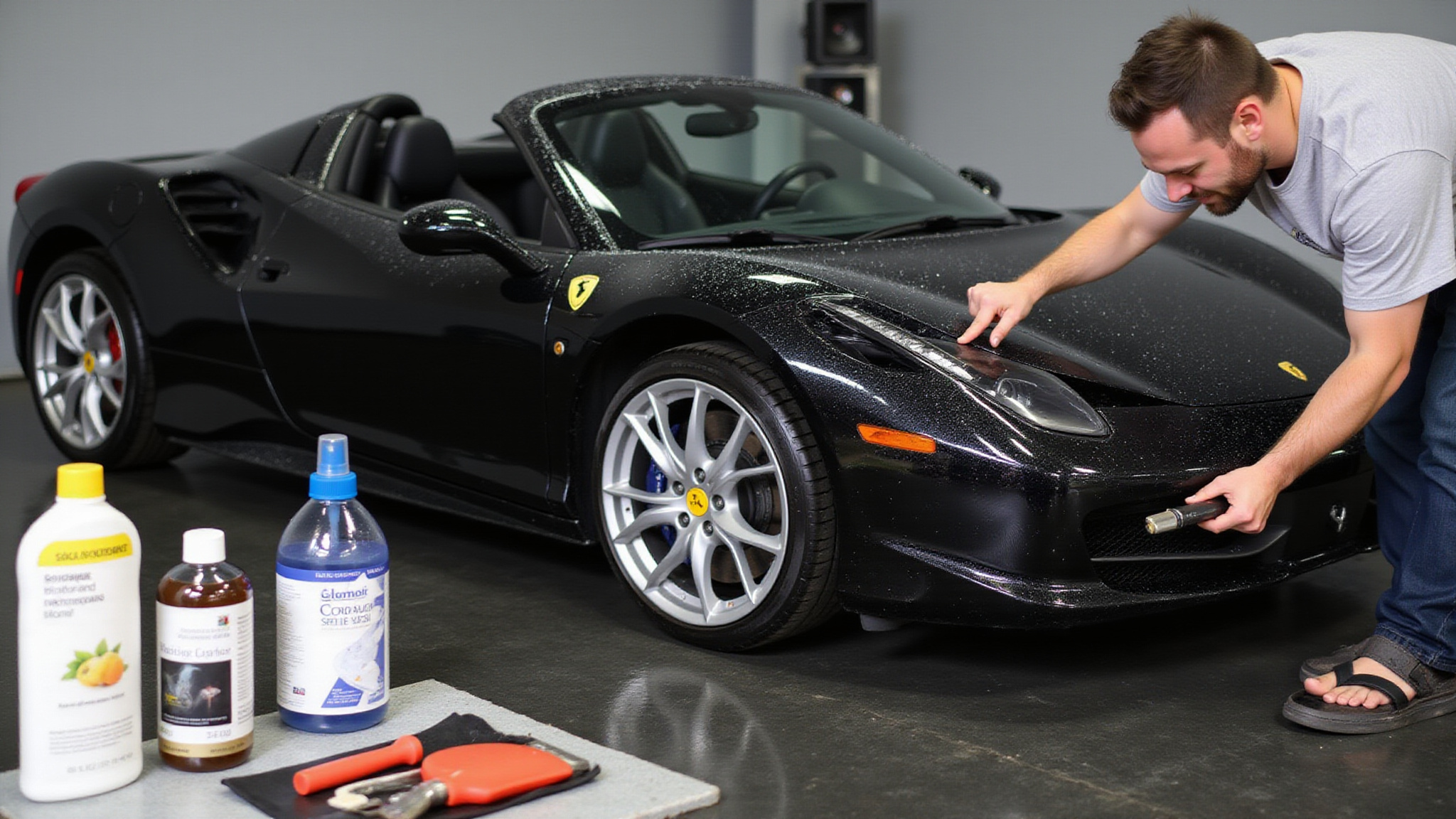
Headlight restoration combats oxidation through progressive wet sanding and polishing, followed by UV-protective clear coat to prevent rapid reoccurrence.
Glass treatment with hydrophobic coatings transforms visibility during inclement weather. These treatments cause water to bead tightly and roll off at speeds as low as 30mph, dramatically improving visibility without wiper use.
Part 3: Interior Detailing Process
Deep Cleaning Techniques
Dashboard and console cleaning requires prudent product selection based on material composition. Vinyl needs UV protection, while touchscreens demand specialized cleaners without ammonia or alcohol that could damage protective coatings.
Upholstery cleaning methods diverge significantly between materials. Fabric seats benefit from foam cleaners worked with soft brushes, followed by extraction. Leather requires pH-balanced cleaners applied with minimal moisture, followed by conditioners that prevent drying and cracking.
Carpet shampooing extracts deep contaminants rather than pushing them deeper. The technique involves minimal moisture application, agitation with appropriate brushes, and thorough extraction that leaves fibers only slightly damp.
Headliner and sun visor care demands extraordinary gentleness, as aggressive cleaning can dissolve the adhesives binding fabrics to their backing boards. Lightly dampened microfiber with minimal pressure preserves these delicate surfaces.
Detail-Oriented Interior Work
Air vent cleaning with specialized brushes removes accumulated dust that conventional methods miss. Following with compressed air prevents redistributing this dust throughout the interior.
Door jambs and thresholds accumulate concentrated grime yet remain highly visible. These transition areas benefit from all-purpose cleaners applied with detail brushes, revealing factory-fresh surfaces that dramatically enhance overall appearance.
Steering wheel restoration addresses both aesthetic concerns and tactile improvement. Leather wheels require gentle cleaning followed by conditioners that restore supple grip without slickness. Synthetic materials respond well to gentle scrubbing with appropriate cleaners.
Seat track and mechanism cleaning improves both function and appearance. These mechanical components collect food particles and debris that interfere with smooth operation, yet respond well to brushes, compressed air, and light lubrication.
Odor Elimination Strategies
Identifying common odor sources requires systematic investigation. Food spills, smoke residue, pet accidents, and mold growth each demand specific treatment approaches rather than masking with fragrances.
Steam cleaning provides natural odor removal by killing bacteria and extracting organic compounds that cause persistent smells. This chemical-free approach proves particularly effective for smoke and food odors.
Enzyme cleaners specifically target organic matter by breaking down proteins and organic compounds biologically rather than chemically. These specialized products excel at neutralizing pet accidents and bodily fluid spills.
Air purification methods include ozone generators (requiring professional application), activated charcoal bags, and HEPA filtration systems that address airborne particulates rather than their sources.
Part 4: Advanced Detailing Techniques
Paint Correction for Enthusiasts
Multi-stage polishing represents the apex of paint correction. This methodical approach begins with heavier compounds on appropriate pads to address significant defects, progressing through medium polishes to fine finishing compounds that maximize gloss and clarity.
Wet sanding techniques allow precision correction of severe defects beyond what compounds alone can address. This advanced technique requires specific materials, significant practice, and careful paint thickness measurements to prevent striking through clear coat.
Color matching and touch-up procedures blend minor damage into surrounding areas. Proper application techniques including fine brushes, toothpicks for pinpoint application, and careful blending make repairs virtually invisible.
Different paint types demand customized approaches. Clear coat finishes allow more aggressive correction but risk complete removal if overdone. Single-stage paints require special care as each polishing session removes actual color rather than just clear coat.
Specialized Surface Treatments
Convertible top cleaning requires dedicated products based on material type. Fabric tops benefit from specific cleaners followed by water-repellent protectants, while vinyl tops need gentle cleansers and UV protection to prevent degradation.
Chrome and metal polishing methods vary by finish type. True chrome responds well to specific metal polishes, while anodized aluminum requires gentler approaches to avoid removing the protective anodized layer.
Plastic and vinyl restoration addresses oxidation and UV damage through products that penetrate surfaces to restore flexibility and color. Heat guns can accelerate product absorption for dramatically improved results on severely weathered surfaces.
Ceramic coating application demands meticulous preparation, controlled environmental conditions, and precise application technique. The resulting chemical bond creates a glass-like barrier that dramatically enhances gloss while providing years of protection against environmental contaminants.
Maintenance Detailing Schedule
Weekly maintenance preserves your detailing investment through quick washes using proper technique and occasional interior wipedowns. These brief sessions prevent contaminant buildup that would require more aggressive future correction.
Monthly tasks include thorough wheel cleaning to prevent brake dust etching, tire dressing reapplication to prevent cracking, and complete interior vacuuming to extract abrasive particles before they damage surfaces.
Quarterly projects focus on paint protection renewal through fresh wax or sealant application, leather conditioning, and minor paint correction to address any developing swirls or water spots.
Annual detailing provides complete restoration through deep cleaning of all surfaces, addressing accumulated defects, and applying fresh protection to all exterior and interior surfaces.
Part 5: Professional Detailing Secrets
Industry Expert Tips
Time-saving techniques include working systematically from top to bottom, organizing supplies for efficiency, and addressing multiple areas simultaneously—allowing products to dwell while working elsewhere.
Product application secrets focus on appropriate quantities. Most enthusiasts apply excessive product, creating unnecessary work during removal while achieving no additional benefit. Thin, even coats consistently outperform thick applications.
Temperature and environmental considerations dramatically impact results. Ideal detailing conditions include moderate temperatures (60-75°F), controlled humidity, and indirect lighting that reveals defects without causing premature product drying.
Storage solutions for detailing supplies extend product life and maintain efficacy. Chemical products should be stored in climate-controlled environments, while microfiber requires careful washing and storage to prevent contamination with fabric softeners or lint.
When to DIY vs. Hire a Professional
Cost analysis reveals the substantial investment required for professional-grade results. Quality chemicals, tools, and equipment easily exceed $1,000 for comprehensive capabilities, though basic maintenance can be performed with more modest investment.
Skills required for different procedures vary dramatically. Basic washing and interior cleaning require minimal specialized knowledge, while paint correction demands significant practice on less valuable surfaces before attempting on your prized vehicle.
Equipment investment considerations should balance frequency of use against cost. Expensive dual-action polishers make economic sense for enthusiasts with multiple vehicles or frequent correction needs, while occasional detailers might consider rental options.
Problems best left to professionals include severe oxidation, significant clear coat failure, major stain removal, and odor issues requiring specialized equipment. Professional detailers bring experience that prevents costly mistakes during challenging corrections.
Conclusion
Car detailing transcends simple cleanliness—it represents an appreciation for craftsmanship and an investment in preservation. The techniques outlined here provide both immediate aesthetic rewards and long-term protection that maintains your vehicle’s value.
By establishing your personalized detailing routine based on your specific vehicle needs, available time, and regional environmental factors, you’ll develop a sustainable approach to automotive care that yields consistent results.
Your vehicle represents a significant investment worthy of protection. Through thoughtful detailing practices, you preserve not just appearance but the intrinsic quality that makes driving a properly maintained automobile one of life’s genuine pleasures.
FAQs About Car Detailing
How often should I detail my car? Most vehicles benefit from comprehensive detailing every 3-4 months, with maintenance washing weekly or bi-weekly depending on use and environmental exposure.
What’s the difference between waxing and ceramic coating? Waxing provides temporary protection (2-8 weeks) with warm aesthetic enhancement, while ceramic coatings chemically bond to paint surfaces, offering harder protection for 1-5 years with superior chemical and UV resistance.
Can detailing remove all scratches? No. Detailing can eliminate surface scratches and swirls within the clear coat, but scratches that penetrate to the color coat or primer require professional repair or repainting.
How long does a professional detailing job take? Basic detailing requires 2-4 hours, while comprehensive correction packages typically take 8-16 hours depending on vehicle size and condition.
Is it worth detailing an older vehicle? Absolutely. Older vehicles often show dramatic improvement from proper detailing, with restoration of plastics and deep cleaning providing renewed appearance and preventing accelerated deterioration.
What detailing tasks provide the best return on investment? Regular washing using proper techniques, paint protection application, and interior conditioning deliver maximum preservation benefit relative to time invested, preventing costly repairs and maintaining resale value.